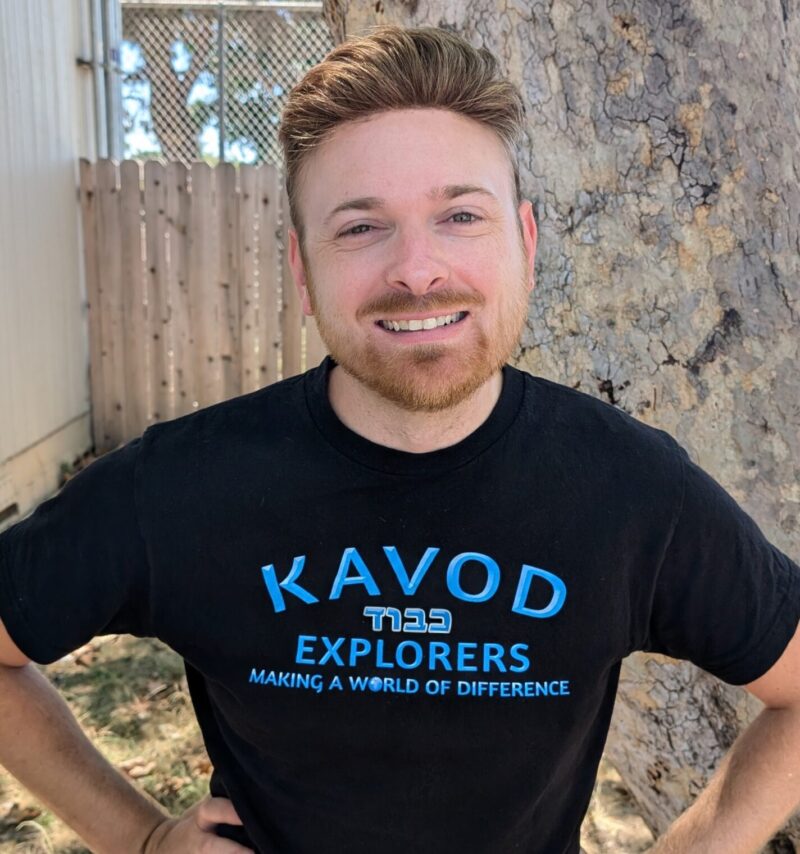
When students walk into Mr. Murphy’s 7th grade Individual and Societies classroom at Kavod Charter School, they’re not just studying the past, they’re transporting themselves into that era and becoming innovative entrepreneurs. Currently in his sixth year at Kavod, Mr. Murphy teaches 7th and 8th grade. The Shark Tank Project has been years in the making.
Before joining Kavod, Mr. Murphy taught 12th grade Economics and Government, where he first developed a Shark Tank-style project for high school seniors. When he transitioned to teaching middle schoolers, he initially shelved the idea, unsure if younger students could handle its demands.
After a few years, he decided to take the leap and bring it to Kavod Charter School. Rather than simply scaling down the project, Murphy reimagined it entirely, weaving together historical content with entrepreneurship skills – he knew Kavod explorers could handle the challenge!
The Pitch? Create a business idea that would exist during the Byzantine Empire, Umayyad Dynasty, or Abbasid Dynasty and present it like you’re pitching it to investors (the “Sharks”).
Building Businesses in Ancient Empires
The project asks students to design historically accurate businesses that could have existed during these Afro-Eurasian empires. Past student ventures have included trade ships navigating the Mediterranean, caravanserais (small hotels along the Silk Road), armories crafting swords and shields, and mosaic shops creating the intricate artwork that adorned Byzantine churches.
But this isn’t just creative play. Students were required to ground their ideas in rigorous historical research, demonstrating knowledge of the empire’s economy, geography, trade routes, and cultural innovations. Their presentations had to include resource lists, location justifications, profit plans, weekly schedules, and loan proposals, while staying true to the historical period.
More Than Memorization: The Four Foundational Skills
“The old stereotype about history class just being about ‘dates, vocab, and people’s names’ has always bothered me, and I work really hard to ensure that my class is more than that,” he says. “I’m not saying that dates, vocab, and people’s names do not have value, but just knowing those without context is memorization, not history.”
Instead, Mr. Murphy focuses on four foundational skills: thinking, research, writing, and communication. “These are truly the purpose of studying history. I want my students to be strong researchers, confident communicators, and effectively work together. I want them to understand why the world is shaped the way it is today, and the role that the past had in that. History is the roadmap to our present, and I want my students to understand the value and importance of that map, and how to read and analyze it correctly.”
The assessment reflects this philosophy. Students are graded on three criteria: Knowing and Understanding (their use of historical vocabulary and examples), Communicating (clarity and organization of their presentation), and Thinking Critically (how well they support arguments with evidence). Each component requires students to demonstrate both content knowledge and analytical skills.
Every Student Has a Role to Play
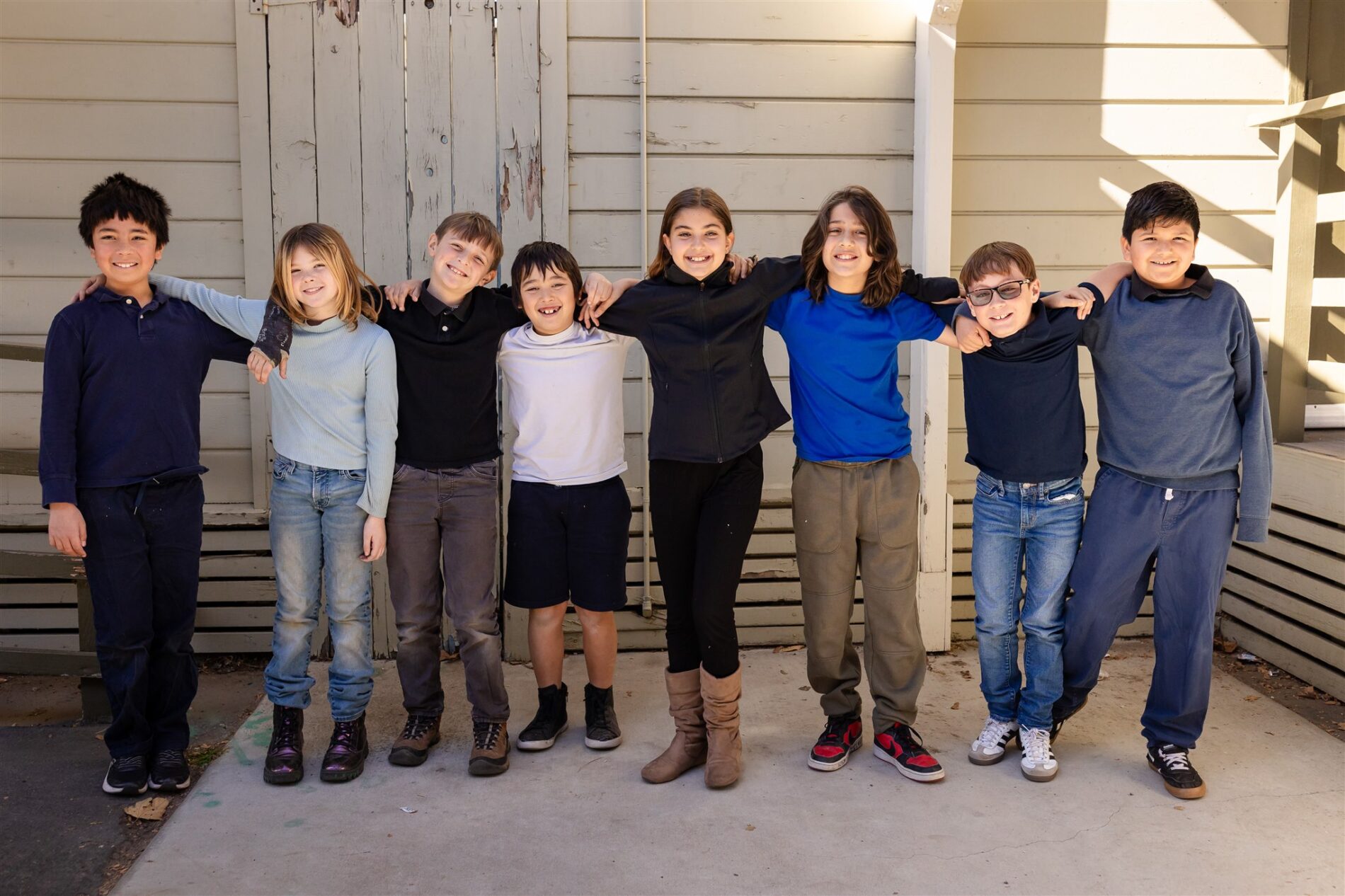
The project’s structure allows different students to shine in different ways, which Murphy sees as one of its greatest strengths.
There are many opportunities for students who might not typically engage with history to get the chance to shine in this project. For instance, if they are a great writer and researcher, they’ll flourish with the essay portion of the assignment. Our more creative and artistic students can be
in charge of creating samples of their product, and create a more visually pleasing presentation. For our students who like to talk, and share what you have learned, they can take the lead in the presentation aspect.
Students also complete an individual argumentative essay alongside their group work, requiring them to manage their time effectively while balancing collaboration with independent research and writing.
Real Investment, Real Engagement
The project culminates in actual Shark Tank-style presentations before a panel of adult investors (we even invite local business owners to attend!) The response has been overwhelmingly positive from all sides. “The panel of sharks were amazed by our students’ ability to discuss their businesses,” Murphy reports. “One shark said it was one of the most fun assignments that they had been a part of.”
Students echo this enthusiasm. “The Shark Tank project was fun. I enjoyed pitching the business to the sharks. Designing the slideshow was also pretty fun,” one student shared. Another appreciated the freedom: “I liked we had a lot of creative freedom with the Shark Tank assignment. I do best with creative freedom, and this assignment had a lot of it.”
A Cornerstone of Learning
Now in its second year, the project has become a cornerstone of Murphy’s curriculum and a highlight for students.
“It’s one of my favorites because it’s the first project that students have in my class, and so for me, it is an amazing opportunity to see their skills in action. This project requires you to be creative, think on your feet, work together, and communicate. Plus it is just great to see what businesses the students can create.”
By transforming history from a subject to be memorized into a world to be explored and inhabited, Mr. Murphy’s Shark Tank Project demonstrates that the past doesn’t have to feel distant. When 7th graders pitch olive oil workshops and calligraphy shops with the confidence of modern entrepreneurs, they’re not just learning about the Byzantine and Islamic empires, they’re understanding how innovation, trade, and cultural exchange shaped the world we live in today.
And that understanding, Mr. Murphy would argue, is worth far more than any memorized date.
Ready for your child to experience innovative learning? At Kavod Charter School, we believe education should be engaging, relevant, and transformative. Projects like the Shark Tank challenge help students develop critical thinking, creativity, and real-world skills while discovering the fascinating stories of our past. Learn more about enrollment at Kavod Charter School and discover how we’re reimagining education for today’s learners.
About Kavod
Kavod is a tuition-free public charter school in San Diego committed to growing the next generation of bilingual, globally aware leaders who will make the world a more respectful place. We offer modern Hebrew and Spanish to diverse TK-8th graders alongside a rigorous curriculum, the International Baccalaureate Middle Years Programme, and enriching electives. As a non-religious, dual language elementary and middle school, we are consistently ranked as a top 5% charter school in California and the nation. Kavod means respect – we believe respect makes a world of difference. Enroll with Kavod today!